For some buyers, the reason for buying property in Turkey is simple. They want pure Turkish citizenship. They do not plan to live in the property, spend summers there, retire there, or use it as a family holiday home. Their main objective is a Turkish passport, supported by a property that protects capital as well as possible.
This buyer profile needs a very different strategy from a lifestyle buyer or relocating family. If the property is being purchased mainly for citizenship, emotion should not lead the decision. The focus should be compliance, liquidity, tenant demand, resale depth, and a clean exit strategy after the holding period.
The best question is not: Which property looks nicest? The better question is: Which property qualifies properly, rents easily, and can be resold to the widest future buyer pool?
Key Takeaways: Pure Turkish Citizenship Property Strategy
- Citizenship-only buyers should prioritise compliance, liquidity, and resale strength.
- The real estate investment route currently starts from $400,000 USD.
- The property must be held and not sold for at least three years.
- Buyers should avoid emotional, isolated, or over-priced lifestyle assets.
- The exit strategy should be planned before the property is purchased.
Who Is a Pure Turkish Citizenship Investor?
A pure Turkish citizenship investor is a buyer whose main objective is Turkish citizenship by investment, not personal use of the property. They may never live in Turkey. They may never use the home. They may simply want a Plan B, wider mobility, long-term family optionality, or a second citizenship connected to a Turkish real estate asset.
This type of buyer does not think like a holiday-home purchaser. They are not buying the best sea view, the largest balcony, or the most emotional lifestyle setting. They are buying a compliant asset that needs to perform as safely and efficiently as possible.
That does not mean buying the cheapest qualifying property. It means buying the right property within the citizenship framework. The best asset is usually the one that combines legal suitability, practical rentability, a strong tenant pool, and future resale appeal.
How Turkish Citizenship Property Investment Works
Turkey’s citizenship by investment programme allows foreign nationals to apply for citizenship through a qualifying real estate purchase, provided the legal requirements are met. The real estate route currently requires a property investment of at least $400,000 USD, with a declaration that the property will not be sold for three years.
For pure Turkish citizenship investors, compliance is the foundation of the purchase. Before choosing a property, buyers need to confirm that the asset can be used correctly for the application and that the paperwork, valuation, payment trail, and ownership structure are all suitable. Key checks usually include:
- Permitted use, seller background, and debt position.
- Payment method, payment trail, and citizenship registration suitability.
The three-year holding period also affects the investment strategy. A citizenship investor is not only buying a property for the application. They are buying an asset that must remain sensible throughout the no-sale period and still be attractive when it is time to sell, rent long term, refinance, or switch strategy.
A property can qualify for citizenship and still be a poor asset to own. The safest strategy is to start with a property that works in the open market, then confirm that it works for citizenship. Not the other way around.
Liquidity Protects the Investment Strategy
Liquidity is the ability to sell a property without relying on a narrow buyer pool. For a citizenship-only investor, this is one of the most important parts of the strategy. If the property is too unusual, too expensive for its area, too large, too remote, or too dependent on foreign buyers, the exit can become difficult.
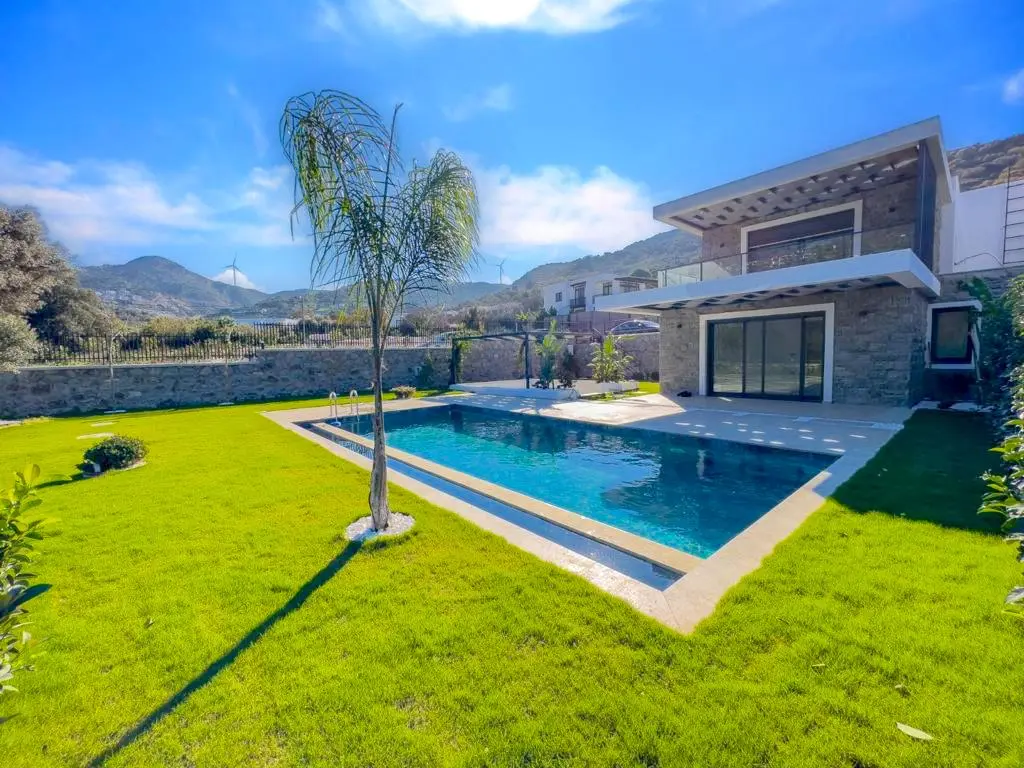
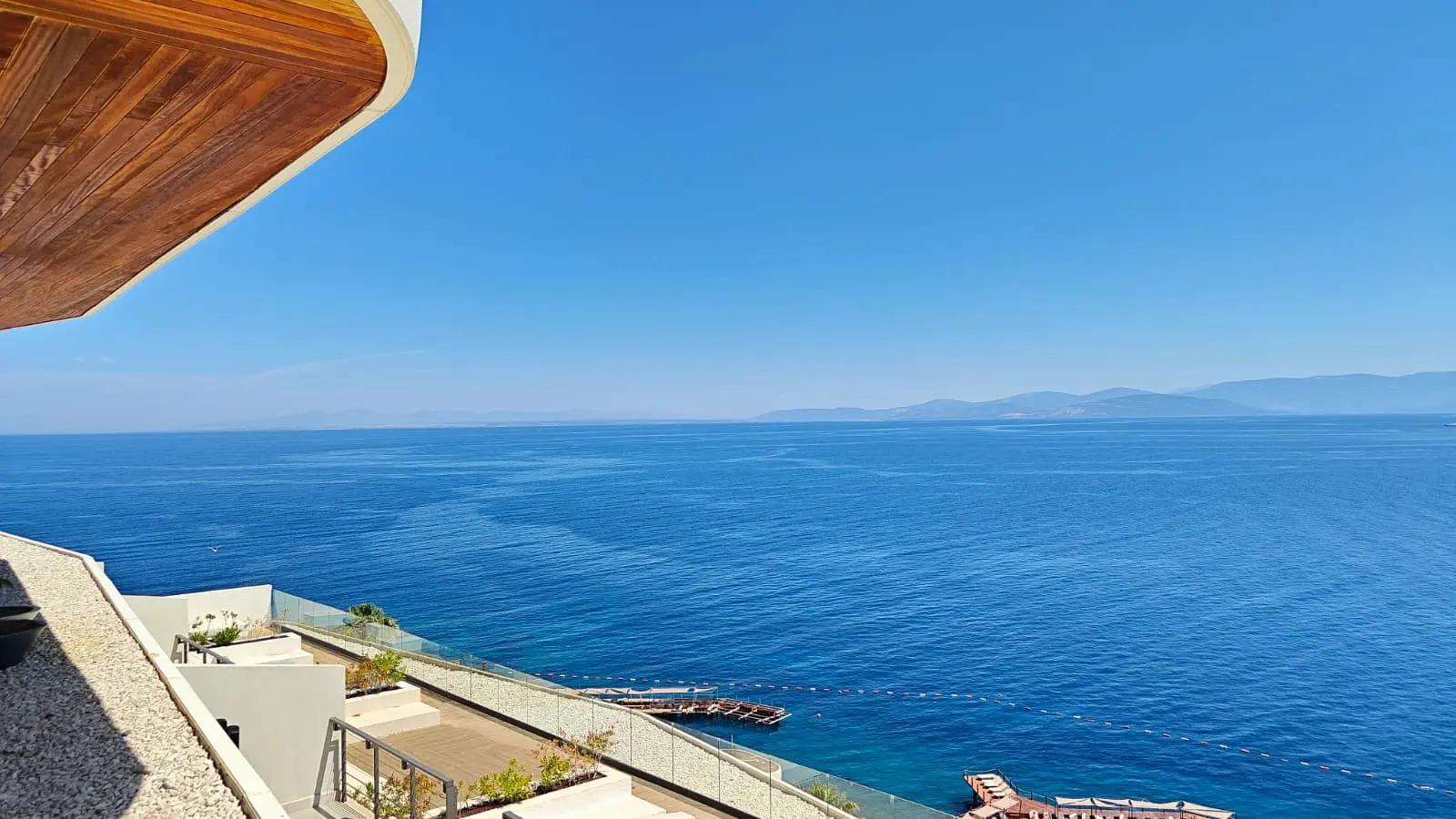
The Turkish housing market is large, but not all property segments are equally liquid. A small, well-located apartment in a central Istanbul district may attract tenants, local buyers, investors, and foreign purchasers. A large villa in a quiet coastal location may appeal to fewer buyers, even if it looks more attractive emotionally.
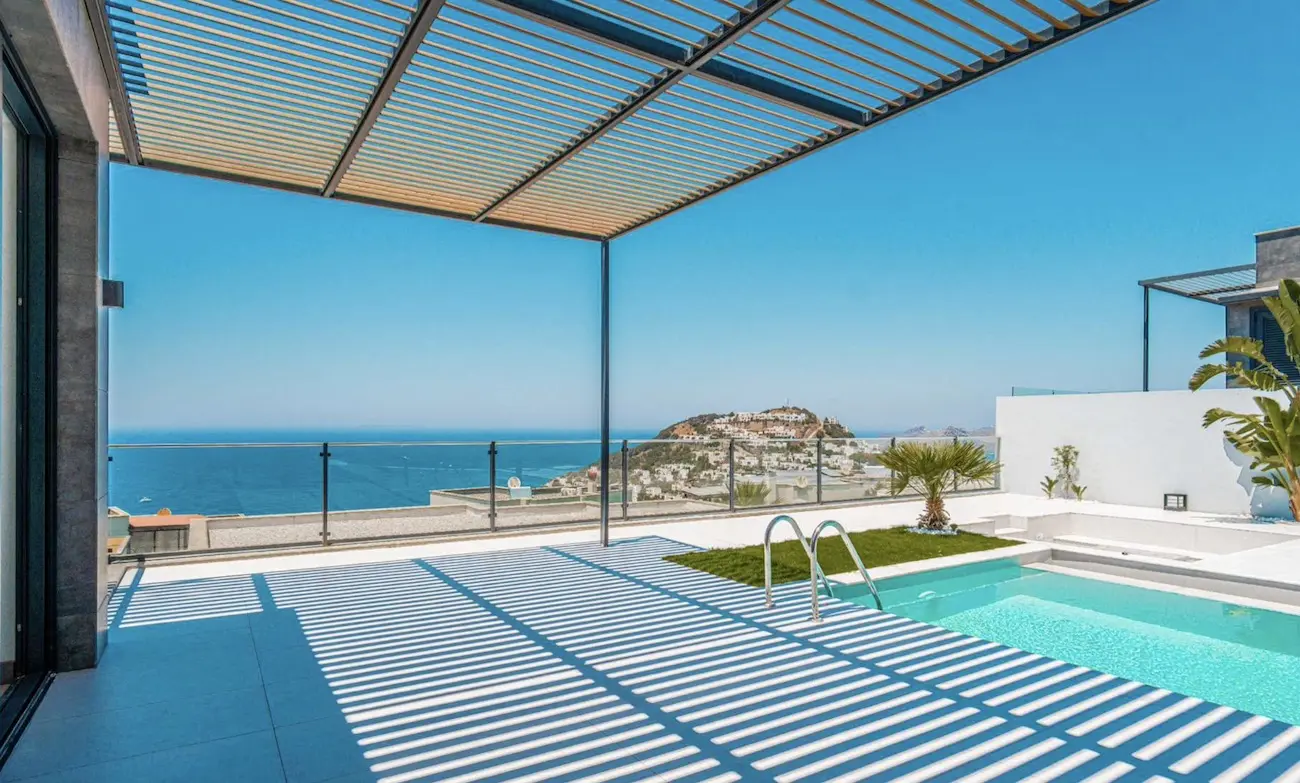
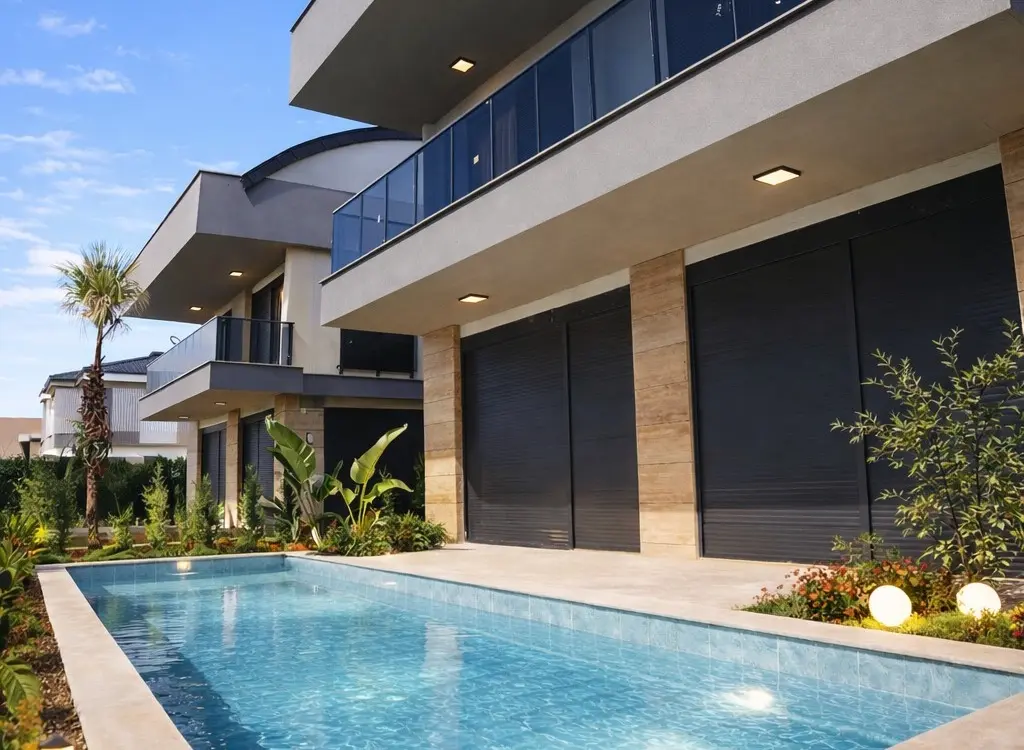
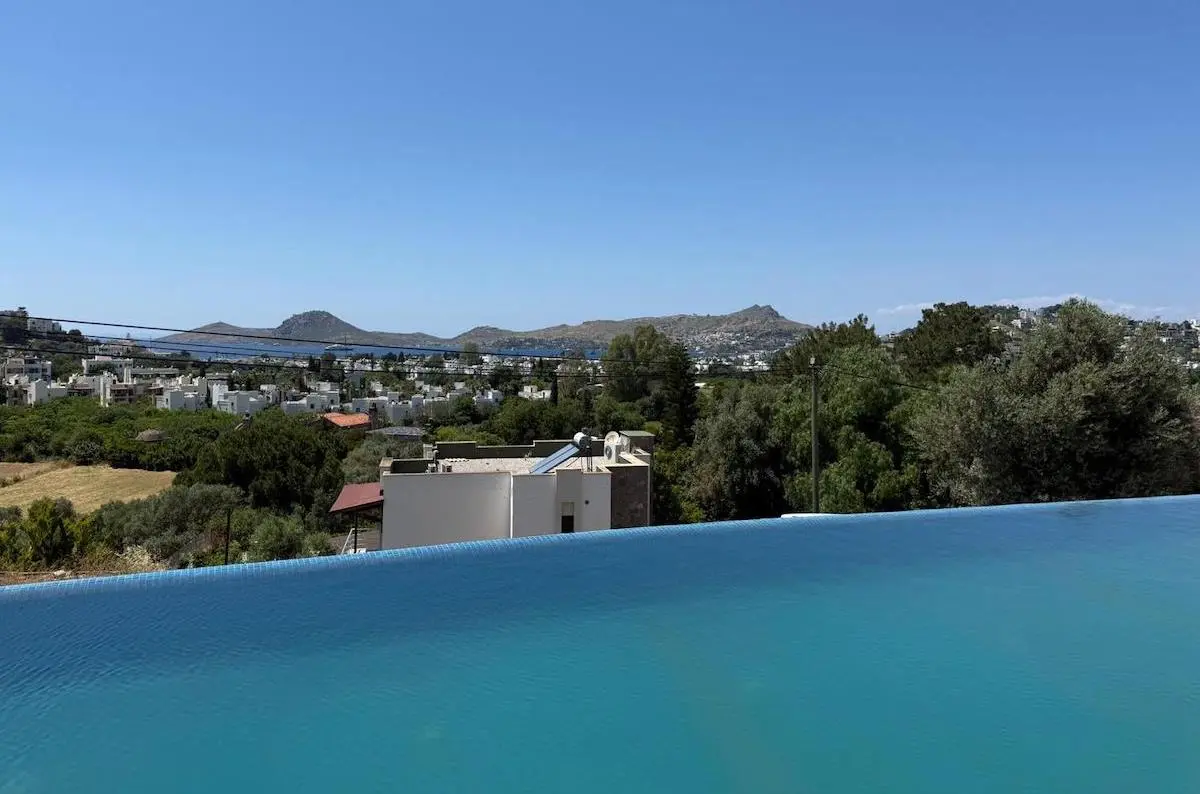
Citizenship-only buyers should be careful with lifestyle-led decisions. A sea view, private pool, or resort setting can be valuable when the buyer plans to use the property. But if the buyer does not intend to live there, these features should only be considered if they improve rental demand and resale value.
For this buyer type, liquidity is not boring. Liquidity is protection.
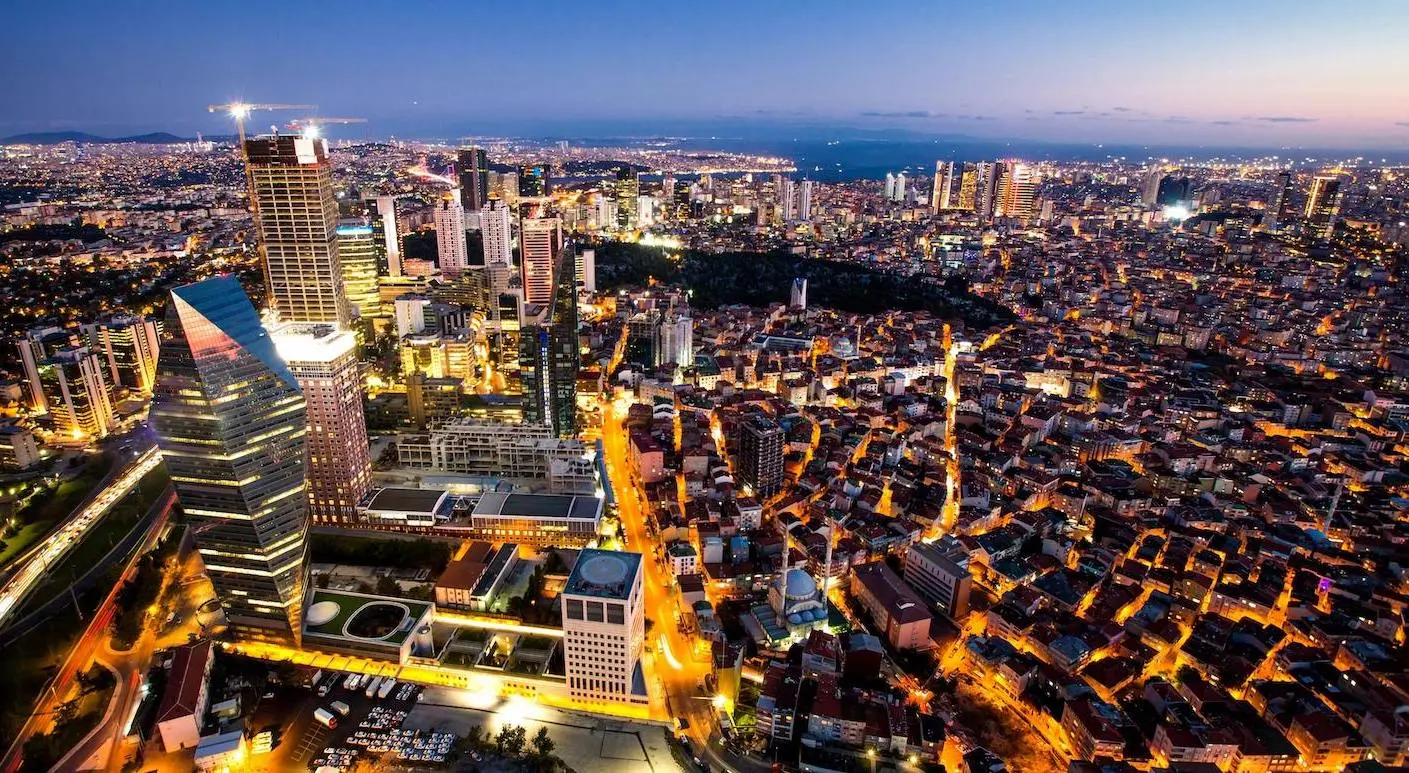
Why Affordable City-Centre Istanbul Often Works Best
The data supports this logic. Turkey recorded more than 1.7 million residential property sales in 2025, with Istanbul accounting for the largest regional share. Istanbul also remained the leading city for foreign purchases.
This is important because citizenship investors should not depend only on the next foreign buyer. A safer asset should also make sense to Turkish buyers and tenants. If a property appeals to the domestic market, the investor is not trapped inside a narrow foreign buyer resale cycle.
The goal is not to buy a property within the most expensive branded tower in Istanbul. The goal is to buy a sensibly priced, well-located, manageable property with real rental demand and a credible resale market.
Where Should Pure Citizenship Investors Buy in Istanbul?
For citizenship-only buyers, the best areas are usually those with central access, transport links, Urban Regeneration upside, and a broad tenant base. These can include:
- Kağıthane: One of Istanbul’s most important Urban Regeneration areas, close to Levent, Şişli, Maslak, and central business districts. It can work for buyers seeking newer apartments, manageable budgets, tenant demand, and long-term growth potential.
- Şişli: A mature central district with business demand, hospitals, shopping, transport, and established residential neighbourhoods. It is often more expensive than Kağıthane but can offer stronger central recognition and a broad resale audience.
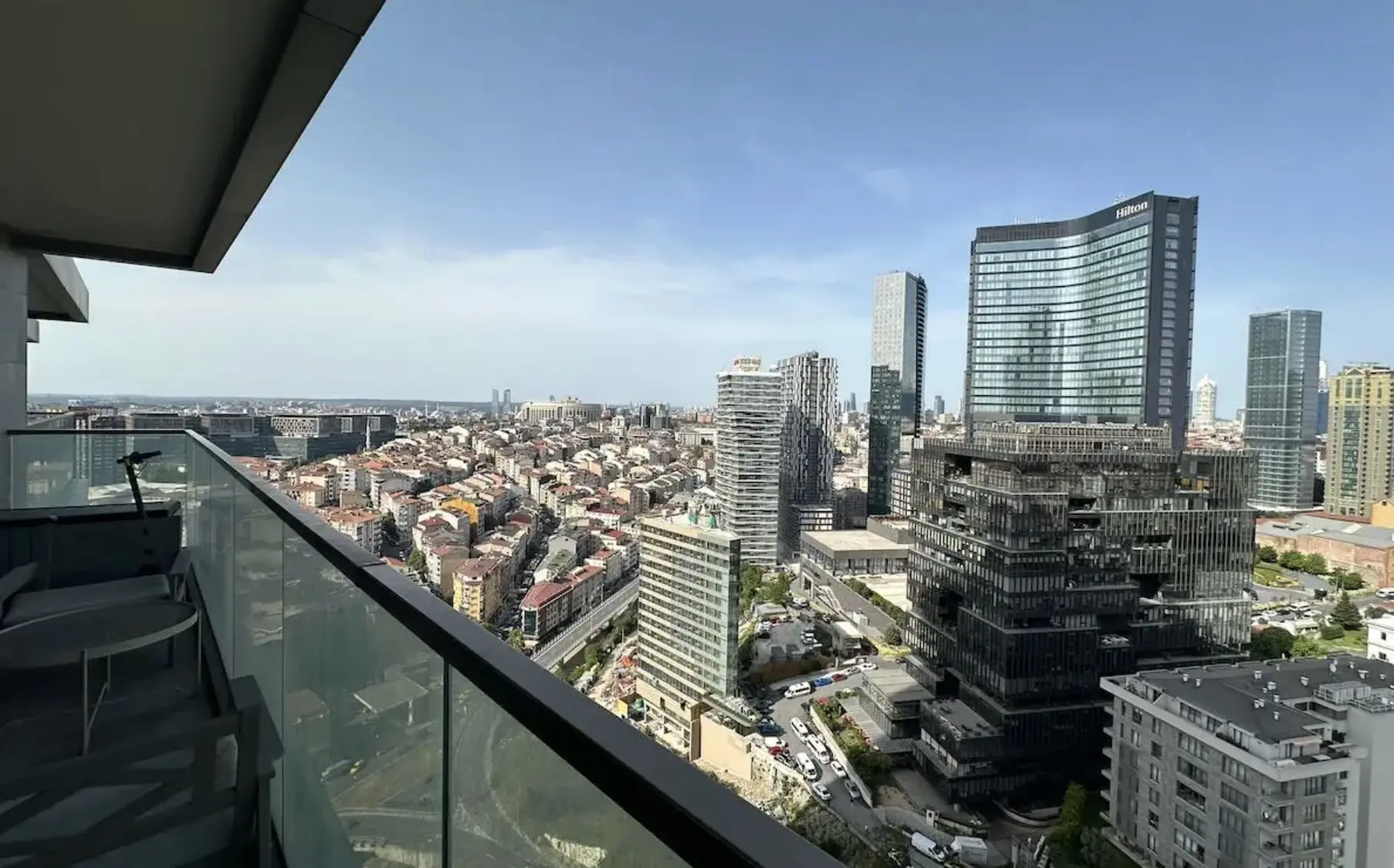
- Bomonti: A central Şişli neighbourhood offering modern apartments, strong rental demand, and proximity to Nişantaşı, Osmanbey, Taksim, Kağıthane, and wider business districts. Bomonti combines newer residence-style projects with central Istanbul lifestyle demand, helped by landmarks such as Bomontiada and Hilton Istanbul Bomonti.
- Levent and Surrounding Districts: Useful for buyers who want proximity to Istanbul’s commercial heart without necessarily paying prime Levent prices. This is where nearby regeneration areas can become interesting.
- Transport-led Urban Districts: Areas close to Metro connections, main roads, business centres, universities, hospitals, and daily amenities tend to be more practical for tenants and future buyers in Istanbul.
A project such as Sense Levent is an example of the kind of logic pure citizenship investors should analyse. It is positioned in the fast-growing Kağıthane side of Levent, offering access to Istanbul’s business districts while still sitting within a regeneration-led market. The appeal is not only the project itself, but the wider investment logic: central access, tenant demand, future resale depth, and a price point that is more accessible than prime Levent.
Case Study: A Dubai-Based Plan B Citizenship Buyer
Omar Haddad, a Dubai-based business owner originally from Lebanon. Omar has built a successful life in the UAE, but recent regional instability made him think more seriously about long-term security, mobility, and options for his family. His original passport created travel restrictions, visa delays, and uncertainty for his children’s future.
Omar did not want to move to Turkey, and he was not looking for a holiday home or coastal villa. His goal was to obtain Turkish citizenship for his family through a property strategy that also protected capital.
After reviewing the market, Omar bought two one-bedroom apartments in central Istanbul’s Kağıthane urban regeneration area for a combined investment of $470,000 USD. His citizenship has now been approved, and both apartments are fully managed and rented out, meaning Omar does not need to deal with day-to-day tenant issues from Dubai.
This is the pure citizenship investor model at its strongest. Omar did not buy emotion. He bought compliance, rental demand, professional management, and a clear exit strategy. The logic behind the purchase was simple:
- Location: Kağıthane, close to Levent, central Şişli, business districts, transport links, and daily amenities.
- Property Type: Two fully manageable one-bedroom apartments instead of one large emotional purchase.
- Investment Use: Both apartments are rented and professionally managed while Omar remains in Dubai.
- Exit Strategy: After the three-year holding period, he can sell both apartments, keep both rented, sell one and retain one, or use the portfolio as a step towards another Turkey property strategy.
What Type of Property Should Citizenship-only Buyers Consider?
The best property for this buyer is usually simple, practical, and easy to understand. It should be the type of property that many people want to rent, many locals want to buy, and many agents can explain quickly.
For many citizenship-only investors, this means apartments rather than villas. It means connected urban districts rather than isolated holiday areas. It means sensible unit sizes, manageable maintenance costs, and clear pricing compared with the local market.
The property does not need to be spectacular. It needs to be durable, rentable, compliant, and resaleable. A good citizenship investment property will usually have:
- A clean Title Deed and citizenship suitability.
- A realistic valuation aligned with the purchase price.
- Strong local rental demand.
- A wide future resale audience.
- Good access to transport, business areas, schools, hospitals, or daily amenities.
- Manageable service charges and maintenance costs.
- A price point that is not dependent on foreign buyers.
What Should Citizenship-only Investors Avoid?
Pure citizenship investors should avoid properties that only make sense emotionally. This includes homes that are beautiful but difficult to rent, hard to manage, expensive to maintain, or too specialised for resale.
Common mistakes include buying an oversized villa, choosing a remote coastal location, overpaying for a branded project, buying from a weak developer, or selecting a property because the marketing package looks convenient.
Buyers should also be careful with properties that are designed only for the citizenship market. If the only likely future buyer is another citizenship applicant, the resale strategy may be weak. A stronger asset should have local logic beyond the citizenship programme.
The best test is simple: if citizenship did not exist, would this property still be worth buying?
Rental Demand and Property Management
Many citizenship-only buyers do not want to manage a property personally. This makes rental demand and property management important. A property that stays empty for long periods can reduce the overall return and create unnecessary stress.
Istanbul usually offers a stronger long-term rental base than purely seasonal markets. That is useful for investors who want steady occupancy, easier management, and a more predictable income profile during the holding period.
Rental income should not be the only reason to buy, but it helps support the asset. A property with reliable tenant demand is usually easier to hold and easier to resell. Future buyers can see a practical use for the home.
The management side should also be reviewed before purchase. Who will find the tenant? Who will collect rent? Who will inspect the property? Who will handle repairs, service charges, utilities, and communication with the tenant? These details are important when the buyer lives abroad.
Plan the Exit Before You Buy
A common mistake is treating the three-year holding period as the end of the investment strategy. It is not. The investor should know the likely exit options before signing the purchase contract.
After the holding period, the investor may choose to sell the property, continue renting it, hold it for capital growth, use the property personally, or switch into a lifestyle property elsewhere in Turkey.
A property that appeals to local buyers, tenants, investors, and possibly future foreign buyers gives the owner more flexibility. A property bought mainly because it qualified on paper could leave the owner with fewer choices later.
Pure Citizenship Property Strategy Checklist
Question
Why It Is Important
Does the property meet the citizenship investment requirements?
Compliance is the foundation of the application
Is the Title Deed clean and suitable?
Legal issues can delay or damage the strategy
Is the valuation realistic?
Overpaying weakens resale and capital protection
Is there real rental demand?
A rentable property is easier to hold and manage
Who is the future buyer?
Resale planning should start before purchase
Is the location connected and practical?
Daily-life demand supports liquidity
Are service charges manageable?
High running costs can reduce net returns
Is the asset too dependent on foreign buyers?
Domestic market appeal gives better protection
Can the property be managed remotely?
Overseas investors need practical ownership support
What happens after three years?
The exit strategy should be clear from the beginning
Property Turkey: Citizenship Strategy Before Property Selection
At Property Turkey, we help citizenship investors begin with the right question: Why are you buying? and What must the property achieve? For pure citizenship buyers, that means filtering properties through compliance, pricing, rental demand, management, and resale strength before any purchase decision is made.
A good citizenship investment is not just a property that qualifies. It is one that remains sensible during and after the citizenship process. For a free advisory consultation with our local advisors, contact us to compare compliant Turkish citizenship property options, review suitable Istanbul investment areas, and build a strategy focused on safety, liquidity, and exit planning.
FAQs: Pure Turkish Citizenship Property Investors
Q: What is the minimum property investment for Turkish citizenship?
A: The real estate route currently requires a minimum property investment of $400,000 USD. The property must be registered correctly, and the buyer must not sell the property for three years.
Q: Is every $400,000 USD property suitable for Turkish citizenship?
A: No. A property may meet the price level but still be unsuitable because of Title Deed issues, valuation problems, seller restrictions, weak legal checks, or poor investment logic.
Q: Where should citizenship-only buyers look in Turkey?
A: For buyers who do not plan to live in Turkey, affordable city-centre Istanbul is the best starting point. It offers deeper rental demand, stronger domestic resale logic, and a broader market.
Q: Should I buy a villa or apartment for Turkish citizenship?
A: For pure citizenship investors, apartments are more practical than villas because they are easier to rent, manage, and resell. Villas may work well for lifestyle buyers and those relocating.
Q: Can I sell my Turkish citizenship property after three years?
A: The citizenship route requires a three-year no-sale commitment. After that period, the investor may sell. The property should be chosen from the start with resale demand and exit planning in mind.
Q: Is rental income important for pure citizenship investors?
A: Rental income supports the holding period and makes the property easier to own remotely. However, compliance, price, liquidity, management, and resale potential are just as important.
Q: Why is Istanbul often preferred for Turkish citizenship property?
A: Istanbul has Turkey’s largest property market, deep domestic demand, major employment areas, transport infrastructure, universities, hospitals, and a large rental base.
Cameron Deggin Founder & CEO, Property Turkey
Cameron Deggin is Founder and CEO of Property Turkey. A former finance professional and FCCA-qualified accountant, he founded the company in 2001 after recognising Turkey’s investment potential. With more than two decades analysing Turkish real estate, Cameron regularly advises international investors and is quoted by media including the Financial Times and BBC.




 By:
By:








 Founder & CEO, Property Turkey

 Istanbul
  66
66  66
66 





 X
X